
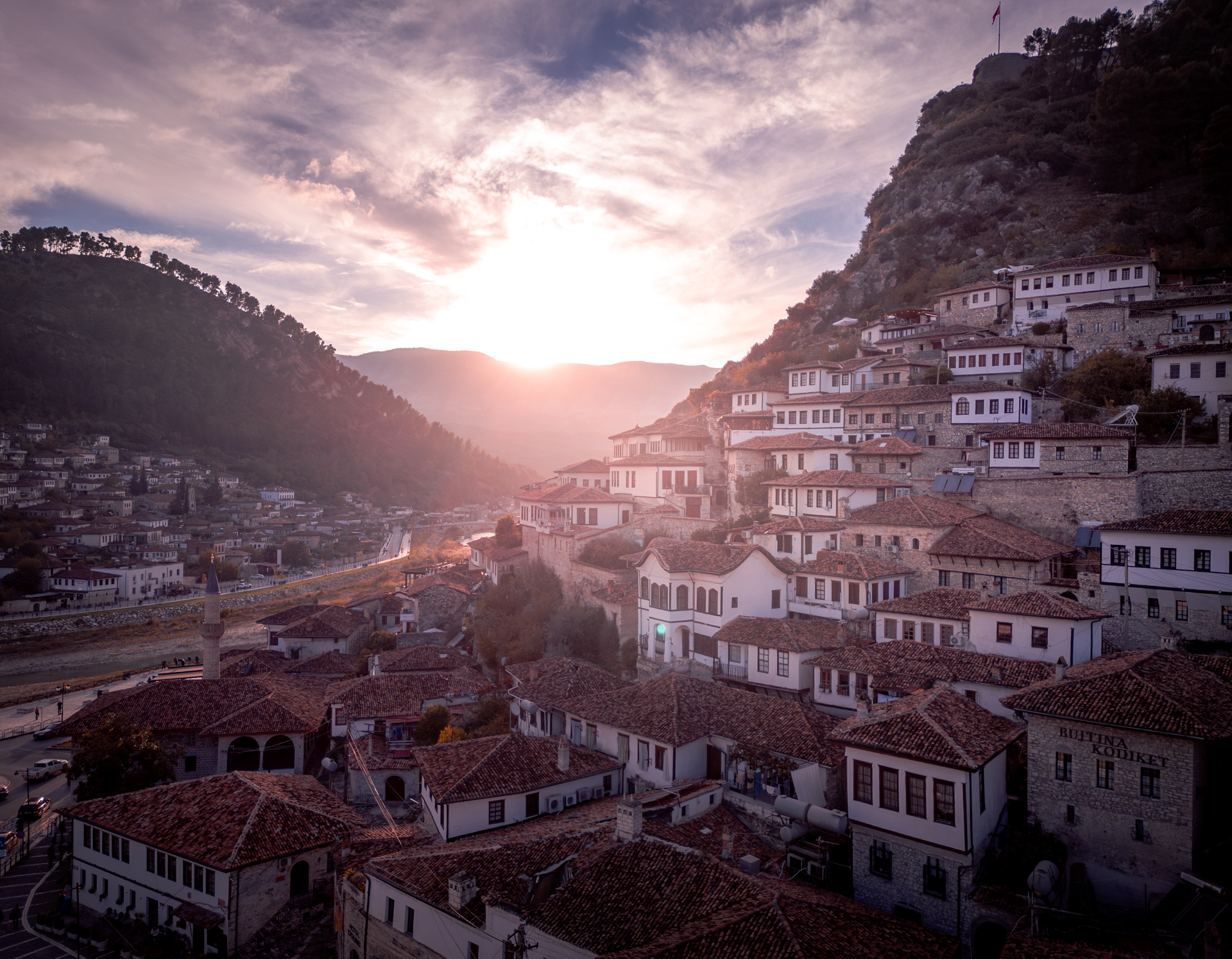
Sunrise is pure magic for photographers. It’s quiet, calm, and offers some of the most spectacular light you’ll ever see. Unlike sunset, sunrise rewards you with empty streets, misty valleys, and still water perfect for reflections.
This ultimate guide walks you through everything you need to know: planning, direction, choosing the right spot, how to shoot into the sun, gear tips, and creative styles to try.
Why Sunrise is Worth It
- Soft, directional light that adds depth and dimension.
- Cooler, cleaner air — colors are often more vibrant than at sunset.
- Fewer people — perfect for clean compositions without crowds.
- Fog and mist — often only form in early morning.
- Wildlife activity — great for combining landscapes with animals.
Yes, it means waking up painfully early — but trust me, it’s worth it every time.
How to Plan the Perfect Sunrise Shoot
Preparation is 80% of sunrise photography. Here’s what to consider:
1. Check Sunrise Time and Direction
Use apps like:
- PhotoPills or The Photographer’s Ephemeris – show exactly where the sun will rise on the map.
- Google Earth – scout compositions virtually ahead of time.
Knowing the azimuth (the compass direction of sunrise) helps you find the perfect vantage point.
2. Scout Your Location in Advance
Visit your location during the day to:
- Find foreground elements (rocks, trees, buildings).
- Check where the horizon is visible — avoid blocked views.
- Plan how to get there in the dark (bring a headlamp!).
3. Arrive Early
Golden rule: Arrive at least 30–45 minutes before sunrise.
- You’ll capture blue hour first.
- You can set up without rushing.
- Often the best colors happen before the sun actually breaks the horizon.
Choosing the Right Direction
The classic rule: face east for sunrise. But there’s more nuance:
- Directly into the sun: Perfect for silhouettes, starbursts, dramatic flare.
- At an angle to the sun: Side light creates beautiful texture on landscapes.
- Back to the sun: Shoot warm light falling on mountains, buildings, or trees.
For the most variety, start with wide shots facing the sun, then pivot to catch side-lit scenes as the sun rises higher.
The sun rises from the east so this is the perfect placement:
– West of water with main subject on the east side of the water.
That way you get a reflection of the main subject and the sun rising behind it.
Foreground & Placement
Foreground makes or breaks a sunrise photo. Look for:
- Leading lines: Paths, fences, rivers guiding toward the sun.
- Silhouettes: Lone trees, boats, city skylines, people.
- Textures: Wet sand, rocks, grass — catch reflections of first light.
Try the rule of thirds — place the sun slightly off-center and anchor your shot with foreground interest.
Water Reflections – Double the Beauty
Water is your best friend at sunrise. Calm morning air usually means glassy reflections.
Tips for Reflection Shots:
- Get low to emphasize symmetry.
- Use a wide-angle lens to capture both sky and reflection.
- Focus about 1/3 into the scene for maximum depth of field.
- Try long exposures (1–10 seconds) to smooth ripples.
Best water locations:
- Lakes, calm rivers, harbors, tidal pools, flooded fields.
Shooting Into the Sun
Yes, you can shoot straight into the sun — and it can be stunning.
How to Nail It:
- Small aperture (f/11–f/16): Creates a crisp sunstar.
- Use a lens hood: Reduce flare.
- Clean your lens: Dust shows as spots in backlit shots.
- Bracket exposures: Sunrise light is high contrast. Blend in post if needed.
- Silhouette something interesting: Tree branches, church towers, people.
Camera Settings for Sunrise
- Mode: Manual or Aperture Priority.
- Aperture: f/8–f/16 for landscapes.
- ISO: Keep it low (100–200) for clean files.
- Shutter speed: Adjust for correct exposure, use tripod if slower than 1/60.
- White balance: Try cloudy/warm setting for golden tones.
Filters for Sunrise Photography
- Graduated ND filter: Darkens the sky, balances exposure.
- Reverse GND: Best when sun is near horizon.
- Polarizer: Deepens colors, but be careful — can unevenly darken wide skies.
Composition Styles to Try
Silhouettes
Expose for the sky, let your subject go black. Perfect for trees, animals, or lone travelers.
Minimalism
Embrace negative space — let color gradients dominate.
Panoramas
Shoot multiple frames as the sky brightens — stitch in post for sweeping vistas.
Long Exposures
Smooth water, stretch clouds — magical with sunrise colors.
Close-ups
Dew on grass, first light on leaves, golden glow on buildings.
Creative Techniques
- Use a human subject: Adds scale and story.
- Shoot wide, then tight: Capture context, then focus on details.
- Try a drone (legally): Aerial sunrise shots are unbeatable.
- Play with lens flare: Tilt slightly to catch creative flares.
Common Mistakes to Avoid
- Arriving at sunrise time — you’ll miss the best colors.
- Forgetting to check weather — clouds on the horizon can block the sun.
- Shooting only once — colors can peak, fade, then peak again. Stay 30+ minutes after sunrise.
Post-Processing Tips
- Lift shadows carefully: Keep the moody feeling.
- Adjust white balance: Make sure it feels warm but not orange.
- Boost vibrance, not saturation: Keep natural look.
- Remove sensor spots: Common when shooting into the sun.
My Favorite Sunrise Subjects
- Mountains: Capture alpenglow — first light hitting peaks.
- Cities: Empty streets, golden reflections on glass buildings.
- Coastal scenes: Low tide pools, lighthouses, boats.
- Countryside: Misty fields, barns, and lone trees.
Final Thoughts – Why Sunrise is the Photographer’s Secret
Sunrise is where you separate casual snapshots from portfolio images. It takes effort — early alarms, scouting in the dark, patience with weather. But it rewards you with magical light, quiet moments, and the chance to capture something few others see.
If you’re serious about elevating your photography, commit to chasing sunrise. You’ll never regret the extra hour of sleep you lose.
Meta Description:
Tags:
Would you like me to follow this up with a “Top 20 Sunrise Photo Spots in Europe” guide (with Google Maps links + photo inspiration) that you can internally link from this post? That would turn this into a great SEO hub post.