

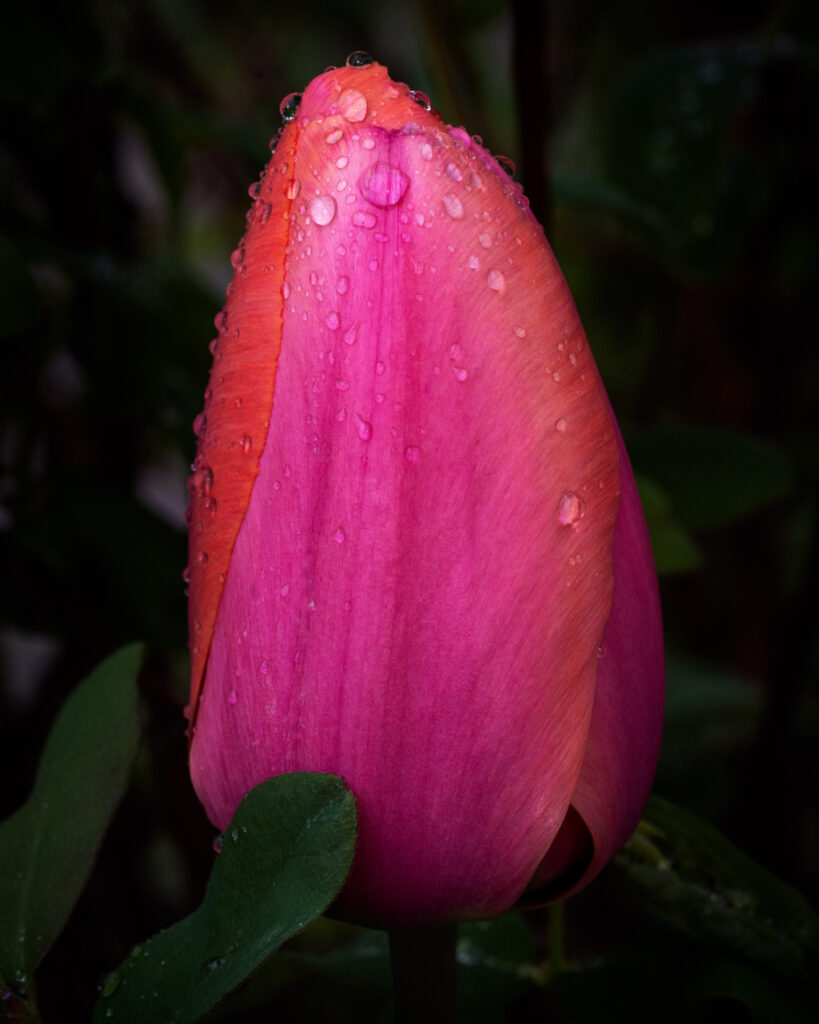
Tulips are bold, graphic, and unapologetically expressive. As a travel photographer, I return to them every spring — not just for their color, but for their shape, rhythm, and storytelling potential. Whether you’re shooting manicured beds in city gardens or endless rural fields, tulips offer one of the most versatile flower photography subjects in Europe.
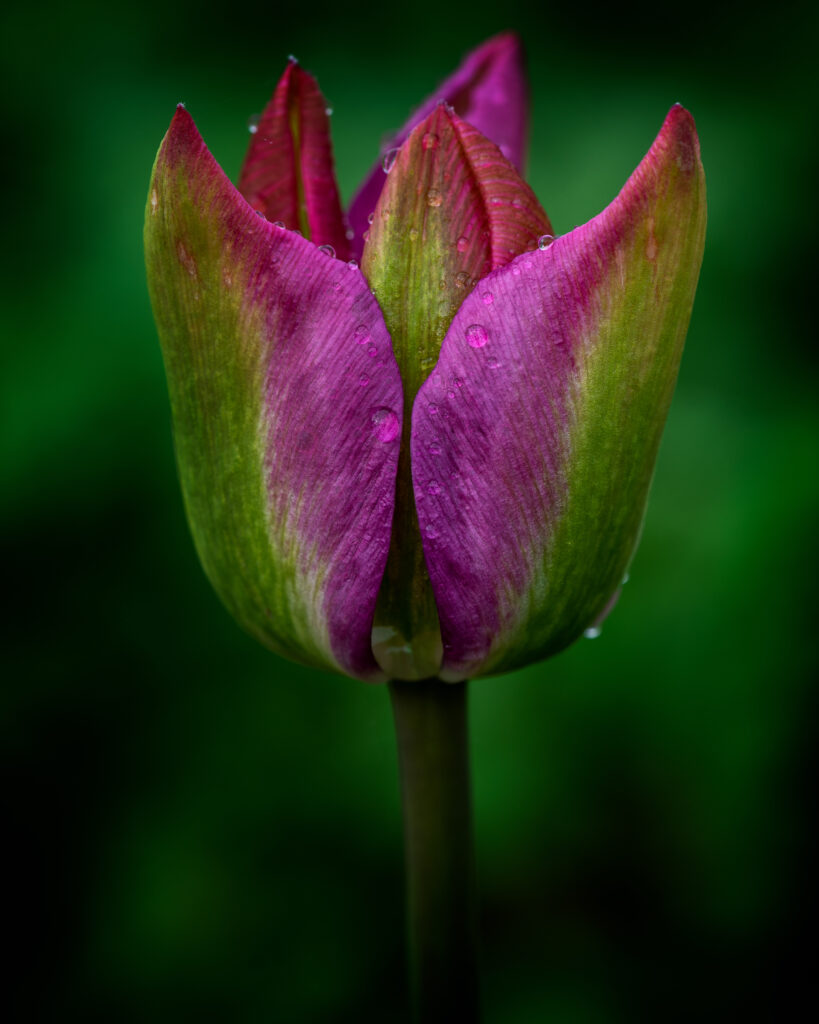
From the sculpted beds of Jardin des Tuileries to the iconic Dutch fields near Amsterdam, tulips give you structure, contrast, and scale in a way few other flowers can.
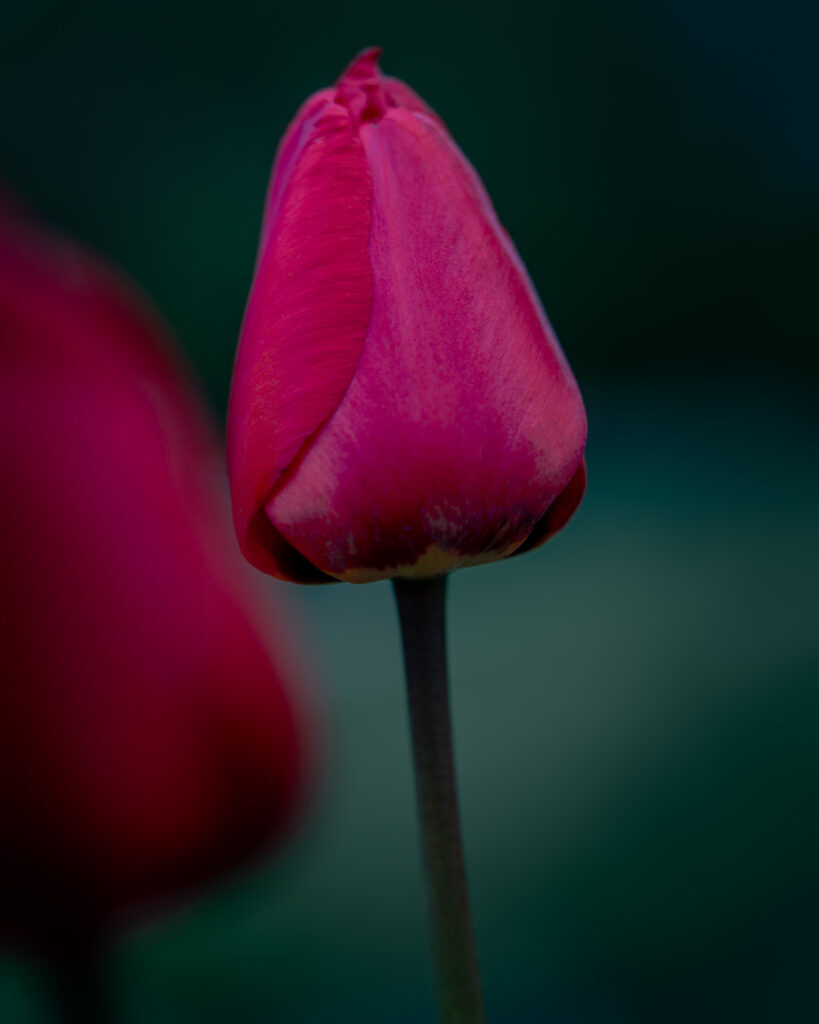
In this guide, I’ll share how to find them, when to shoot them, how to use light, and how to compose images that go beyond “pretty flowers” — and into strong, portfolio-worthy work.
Where to Find Tulips?

Tulips are cultivated flowers, which means location matters. Unlike woodland blooms, you won’t usually find them randomly growing in forests. They thrive in curated gardens, urban parks, estates, and agricultural fields.
Tulips in Paris
In Paris, you’ll find spectacular spring displays in:
- Jardin des Tuileries
Google Maps: https://maps.google.com/?q=Jardin+des+Tuileries+Paris
Classic symmetrical beds with Louvre backdrops. - Jardin du Luxembourg
Google Maps: https://maps.google.com/?q=Jardin+du+Luxembourg+Paris
Structured flowerbeds and soft morning light. - Parc de Bagatelle
Google Maps: https://maps.google.com/?q=Parc+de+Bagatelle+Paris
Less crowded, more intimate compositions.
Tulip Fields in the Netherlands


For dramatic landscape shots, head to:
- Lisse (near Keukenhof area)
- Noordoostpolder
Endless stripes of color allow you to shoot:
- Abstract patterns
- Drone compositions
- Minimalist horizon lines
If you’re traveling, combine this with my One Week in Paris Photography Guide to build a broader spring portfolio.
When to Photograph Tulips?
Timing is everything.
Tulip Season in Europe
- Late March to early May
- Peak bloom: mid-April (weather dependent)
In Paris, mid-April is usually prime time. In the Netherlands, fields often peak slightly later depending on region.
Tulips are sensitive to temperature. A warm week can accelerate bloom dramatically.
Best Time of Day
- Sunrise: Soft light, fewer crowds, dew on petals
- Golden hour: Warm glow enhances red and orange varieties
- Overcast midday: Perfect for even color saturation
I avoid harsh midday sun unless shooting high-contrast graphic compositions.
Best Weather and Conditions to Photograph Tulips
Tulips behave differently in varying conditions — and understanding this transforms your images.
Soft Overcast Days
Ideal for:
- True color rendering
- Saturated petals
- Even exposures
Cloud cover acts like a natural softbox.
Light Rain
Rain adds:
- Droplets for macro detail
- Reflections
- Mood and atmosphere
Bring a lens cloth and embrace it.
Wind
Wind is the enemy of sharp tulip shots. Their tall stems sway easily.
Solutions:
- Shoot early morning when wind is calm
- Use faster shutter speeds (1/500+)
- Shield flowers with your body (without touching them)
How to Photograph Tulips
Tulips offer multiple creative approaches.
1. Isolated Portraits
Get low. Shoot at petal level.
- Aperture: f/2.8–f/4
- Focus on leading petal edge
- Blur background into creamy color fields
This creates elegant simplicity.
2. Graphic Patterns
Tulip beds are naturally structured.
- Shoot from above
- Look for repeating lines
- Emphasize symmetry
Formal gardens like Jardin des Tuileries are perfect for this.
3. Wide Landscape Fields
In Dutch fields:
- Use a wide-angle lens (16–35mm)
- Keep horizon straight
- Include sky drama if possible
Cloud texture adds depth.
4. Backlit Tulips
Tulips glow beautifully when backlit.
- Shoot toward the sun
- Slightly underexpose
- Watch highlight clipping
Red tulips become luminous stained glass.
Photography Composition
Tulips are strong shapes. Use that.
Leading Lines
Tulip rows create natural perspective lines. Position yourself at row level for depth.
Color Blocking
Group colors in your frame:
- Red against yellow
- Purple against green
- White against dark soil
Color contrast adds visual tension.
Negative Space
One single tulip against a soft background can be powerful.
Minimalism works especially well in early morning fog.
Foreground Framing
Shoot through nearby flowers to create depth layers.
This works beautifully in parks like Jardin du Luxembourg.
Light for Tulip Photography
Light defines mood.
Morning Light
Soft, directional, gentle shadows. My preferred time.
Golden Hour
Enhances warm tones. Stunning for orange and red varieties.
Diffused Midday Light
Best for editorial-style clarity and color accuracy.
Backlighting Tips
- Use lens hood
- Adjust angle slightly to avoid flare
- Spot meter on petals
Tulips are semi-translucent — use this to your advantage.
Equipment Guide
You don’t need exotic gear. You need intention.
Lenses
- 90–105mm macro → intimate detail
- 50mm prime → natural perspective
- 70–200mm → compression and layered fields
- 16–35mm → dramatic landscapes
Tripod
Useful in:
- Low light
- Windy conditions
- Focus stacking
Filters
- Circular polarizer → reduces glare
- ND filter → creative long exposures in fields
Drone (Where Legal)
In the Netherlands, aerial shots of tulip fields create striking geometric compositions — always check local regulations first.
Location Guide
Paris
- Jardin des Tuileries
- Jardin du Luxembourg
- Parc de Bagatelle
Netherlands
- Lisse
- Noordoostpolder
- Amsterdam surroundings
Always stay on designated paths and never step into flower rows. Respect the growers.
Tulips are not subtle flowers. They are architectural, expressive, and bold. They demand intentional composition and reward thoughtful light control.
FAQs
When is the best time to photograph tulips?
The best time is typically mid-April in most of Western Europe. In and around Paris, tulips usually bloom between early April and early May depending on spring temperatures.
In the Netherlands near Amsterdam, the tulip fields often peak around mid-to-late April.
Always check bloom updates before planning a dedicated photography trip.
What time of day is best for tulip photography?
Sunrise is the most reliable time for stunning tulip images.
Benefits include:
- Soft directional light
- Calm wind conditions
- Dew on petals
- Fewer tourists
Late golden hour is also excellent, especially for warmer colored tulips like red, orange, and yellow.
Are tulips good for beginner photographers?
Yes — tulips are one of the best flowers to practice with.
They help photographers learn:
- Color balance
- Pattern composition
- Low-angle shooting
- Background control
Their strong shapes make it easier to build visually powerful images.
What camera settings work best?
Typical settings include:
- Aperture: f/2.8–f/5.6 for single flowers
- Aperture: f/8–f/11 for fields
- ISO: 100–200
- Shutter speed: 1/200 or faster in wind
Always shoot RAW for maximum editing flexibility.
Should I photograph tulips with a macro lens?
Macro lenses are excellent for detail shots such as:
- Petal texture
- Water droplets
- Stamen detail
However, many great tulip images are shot with:
- 50mm lenses
- 70–200mm telephotos
- Wide lenses for landscapes
Each lens tells a different visual story.
How do I photograph tulips in windy conditions?
Wind is a common challenge.
To improve sharpness:
- Shoot early morning
- Increase shutter speed (1/500+)
- Use burst mode
- Position yourself where rows block wind
Wind usually increases by midday.
How do I make tulip photos look more professional?
Focus on three things:
- Clean backgrounds
- Strong color contrast
- Intentional framing
Avoid clutter and distracting elements behind the subject.
Is backlighting good for tulip photography?
Yes — tulips are slightly translucent.
Backlighting can create:
- Glowing petals
- Visible vein structure
- Dramatic color intensity
Slightly underexpose to preserve highlights.
Where are the best tulip photography locations near Paris?
Great places include:
- Jardin des Tuileries
https://maps.google.com/?q=Jardin+des+Tuileries+Paris - Jardin du Luxembourg
https://maps.google.com/?q=Jardin+du+Luxembourg+Paris - Parc de Bagatelle
https://maps.google.com/?q=Parc+de+Bagatelle+Paris
These gardens offer beautiful arrangements and classic Parisian backdrops.
Where can I photograph huge tulip fields?
The most famous tulip fields are in the Netherlands near:
- Lisse
- Noordoostpolder
These regions produce vast agricultural rows perfect for dramatic landscape compositions.
How do I photograph tulips with dramatic colors?
Use:
- Slight underexposure
- Polarizing filters
- Soft lighting
Overexposure washes out vibrant petals.
Can tulips be photographed in the rain?
Yes — rain can create beautiful results.
Raindrops add:
- Texture
- Reflections
- Macro opportunities
Overcast rain also softens harsh highlights.
How do I avoid distracting backgrounds?
Try these techniques:
- Shoot at low angles
- Use wider apertures
- Position darker backgrounds behind flowers
Moving just a few inches can dramatically change the image.
What focal length works best?
It depends on the scene.
- 100mm macro → flower detail
- 50mm → natural perspective
- 70–200mm → layered fields
- 16–35mm → landscapes
Using multiple lenses gives your portfolio variety.
Should I include people in tulip photos?
Sometimes.
Silhouettes or distant figures can add:
- Scale
- Storytelling
- Travel context
But keep them subtle so flowers remain the main subject.
What mistakes should I avoid?
Common tulip photography mistakes include:
- Shooting from standing height
- Cluttered backgrounds
- Harsh midday sun
- Over-saturated editing
Strong composition matters more than dramatic color.
Are tulips good for minimalist photography?
Absolutely.
Single tulips against soft backgrounds create elegant minimalist images.
Early morning fog or shallow depth of field helps achieve this style.
Can tulips be used for abstract photography?
Yes.
Try focusing on:
- Petal curves
- Color gradients
- Tight macro framing
Tulips have natural geometric elegance.
What editing style works best for tulips?
Keep edits natural.
Recommended adjustments:
- Slight contrast increase
- Gentle highlight recovery
- Natural color balance
Avoid excessive saturation or clarity.
How long does tulip season last?
Tulip season typically lasts about four to six weeks depending on weather conditions.
In gardens like Jardin des Tuileries, different varieties bloom in stages, extending the display.
Conclusion
Tulips are among the most expressive flowers you can photograph.
They combine bold color, sculptural form, and seasonal symbolism — making them perfect subjects for travel photographers. From elegant garden beds in Paris to endless agricultural fields near Amsterdam, tulips offer extraordinary creative possibilities.
What makes tulip photography special is the balance between structure and spontaneity. Rows of flowers create graphic patterns, while individual blooms provide delicate portrait opportunities.
To create strong tulip photographs, focus on the essentials:
- Shoot early when light is soft and wind is calm
- Work low to the ground for immersive perspectives
- Simplify your background for cleaner images
- Use color contrast intentionally
- Explore both wide landscapes and macro details
Tulips reward patience and observation. Walk slowly through gardens, look for interesting color combinations, and experiment with different angles.
Sometimes the best image is not the largest field or the brightest bloom — but a single tulip catching perfect morning light.
When you approach tulip photography with curiosity and intention, you’ll leave spring with a portfolio full of vibrant, joyful images that capture the energy of the season.
Related Internal Pages
Continue improving your flower and travel photography with these guides:
- https://frewaphoto.com/ultimate-guide-to-visit-lisbon-lisboa-portugal/
- Garden Photography in Paris
- Best Time to Visit Paris for Photography
- Paris Rain Photography Guide
- Paris Night Photography Guide
These articles help you expand your seasonal photography portfolio across Europe.
External Links
Helpful resources for planning tulip photography trips:
- https://keukenhof.nl/en/ – Official Keukenhof Gardens website
- https://www.holland.com/global/tourism – Netherlands tourism information
- https://www.rhs.org.uk – Royal Horticultural Society flower guides
- https://meteofrance.com – Weather forecasts for France
- https://www.timeout.com/paris – Seasonal events and garden updates