
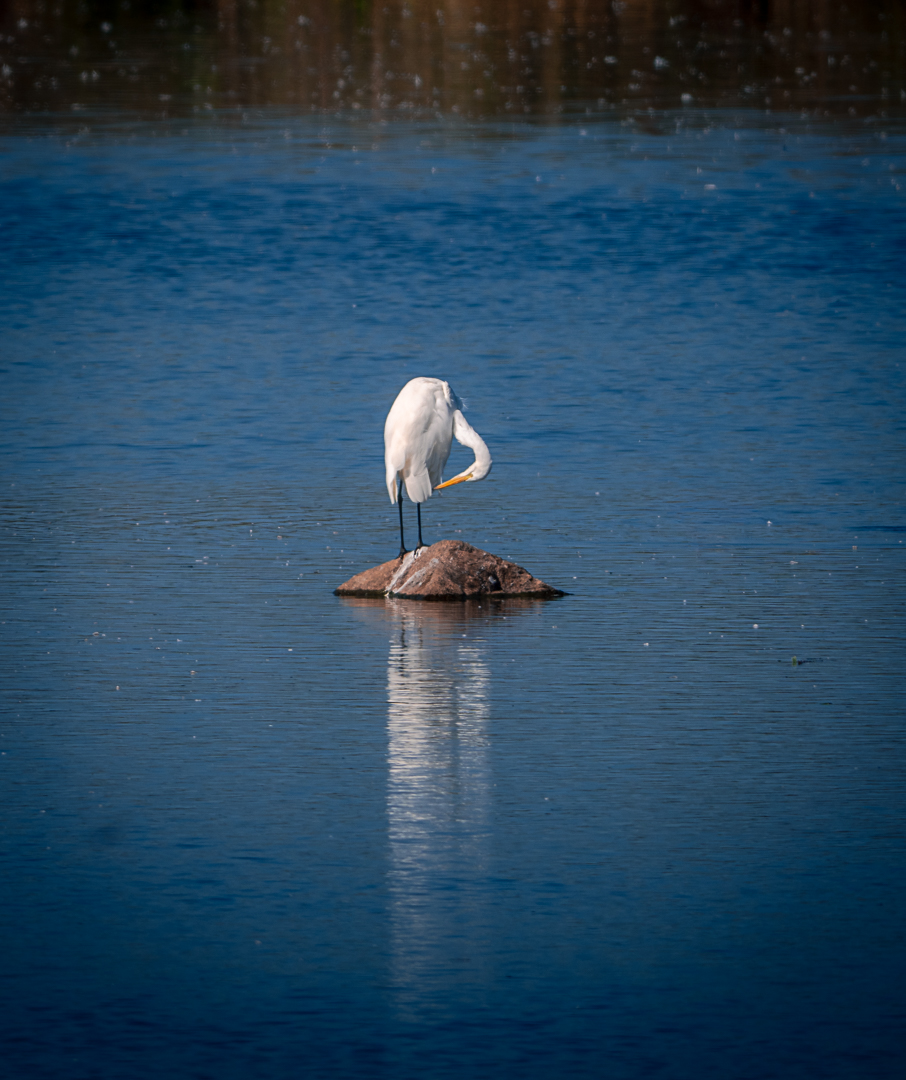
Kvismaren is one of Sweden’s premier birdwatching and wildlife photography destinations. Located about 15 kilometres southeast of Örebro, this internationally important wetland attracts thousands of migratory birds every year and offers some of the best opportunities in central Sweden to experience cranes, geese, raptors, waterfowl and wetland landscapes.
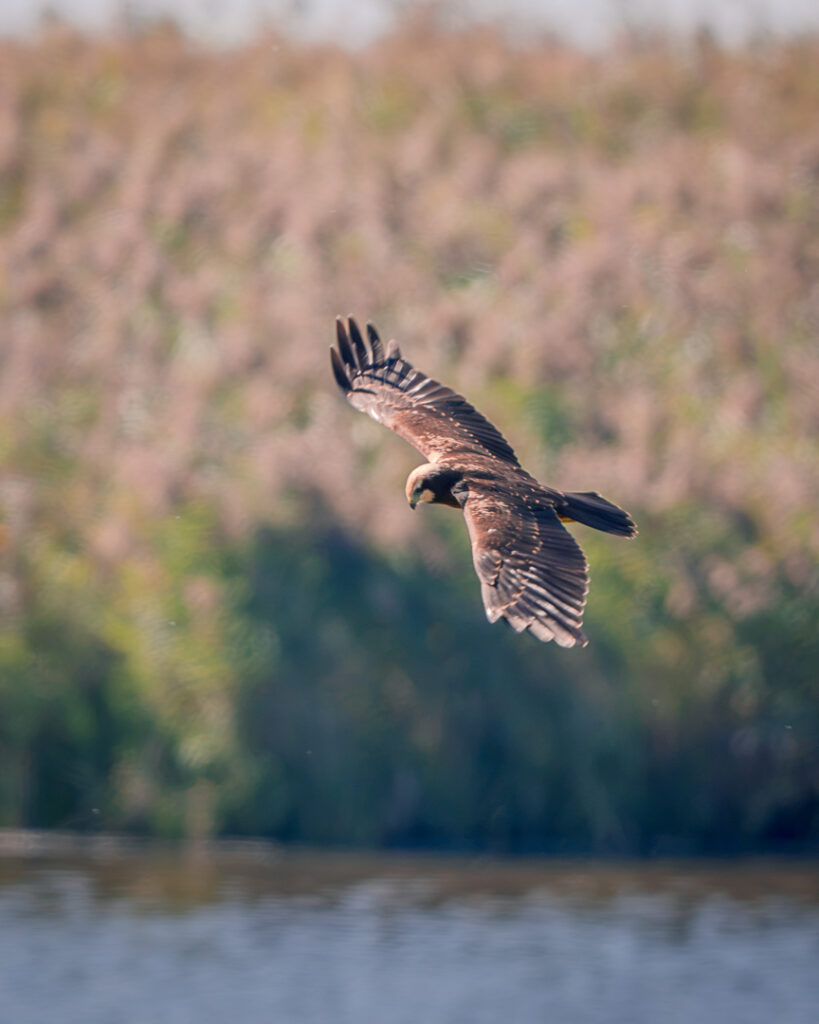
For photographers, birdwatchers and nature lovers, Kvismaren is a destination that deserves a place on every Sweden travel itinerary. Whether you visit during the spectacular spring migration, the dramatic autumn crane gatherings or a misty summer sunrise, Kvismaren rarely disappoints. The reserve is recognized as both a Natura 2000 site and a Ramsar wetland of international importance. (Länsstyrelsen)
Here’s a section you can paste directly into the article, ideally after the “Best Places to Visit in Kvismaren” section and before the photography section.
My Visit to Kvismaren
I visited Kvismaren in August. While spring and September are generally considered the best seasons for birdwatching and photography, there was still plenty of wildlife to see during my visit.
Most of the birds I encountered were geese, but I also saw cranes, herons and several birds of prey. Even outside the peak migration periods, the reserve felt alive with activity and offered excellent opportunities to observe wetland birds in a natural setting.
Starting at Öby Kulle
The best place to begin your visit is the parking area at Öby Kulle.
This is the main visitor hub in Kvismaren and offers:
- Ample parking
- Information boards
- A scenic viewpoint over the wetlands
- Picnic and barbecue facilities
The views from the hill are excellent, especially during sunrise and sunset. However, one thing to keep in mind is that Öby Kulle is quite far from the eastern parts of Kvismaren, so exploring the entire reserve requires some additional driving.
Rysjön: The Highlight of My Visit
If you want to see birds at closer range, head to the Rysjön area.
Within a short walk from the parking area you will find:
- A bird tower
- An observation platform
- A bird hide overlooking the wetland
During my visit, the large bird tower provided the best experience by far. It offered the clearest views across the wetland and the best opportunities for observing birds.
The hide has great potential and likely provides excellent opportunities at certain times of the year. However, when I visited, the reeds had grown tall enough to block much of the view, making it less useful for photography than the tower.
The Observation Platform
I attempted to walk to the observation platform further out in Kvismaren. However, after walking part of the route I reached signs indicating that access beyond that point was prohibited, so I had to turn back.
As access regulations can change depending on the season and bird protection measures, it is always worth checking current restrictions before visiting.
Visiting Lövholmen
I also visited Lövholmen and the small bird tower located there.
Compared with Rysjön, I did not find it particularly rewarding. The views were limited and, in my opinion, it was not worth prioritizing if you only have a few hours in the reserve.
I did not visit the small bird tower at Fiskinge, so I cannot comment on the photography opportunities there.
My Photography Tip
If your goal is photography, my top recommendation is to spend the evening at the large bird tower overlooking Rysjön.
Around sunset the light becomes softer, birds are often more active and the wetland takes on beautiful golden colours. During my visit this was easily the most rewarding location in the reserve and the place where I captured my favourite images of Kvismaren.
Why Visit Kvismaren?
Kvismaren is one of the most important wetland ecosystems in central Sweden. The area consists of restored shallow lakes, reedbeds, grazing meadows and wetlands that support approximately 200 bird species annually. Rare visitors are recorded almost every year, making it a hotspot for birdwatchers across Scandinavia. (Länsstyrelsen)
Highlights include:
- Thousands of cranes during migration
- Huge flocks of geese
- Excellent bird photography opportunities
- White-tailed eagles and marsh harriers
- Beautiful wetland landscapes
- Observation towers and hides
- Easy access from Örebro
- One of Sweden’s best spring wildlife experiences
- Unique snake gatherings during spring
Where is Kvismaren?
Kvismaren is located in Örebro County, approximately 15 kilometres southeast of Örebro.
Google Maps:
https://maps.google.com/?q=Kvismaren+Naturreservat
Naturkartan:
https://www.naturkartan.se/sv/orebro-lan/kvismaren-naturreservat
The main visitor area is centred around Öby Kulle, where you’ll find parking, information boards, toilets and access to several observation points. (Länsstyrelsen)
Best Time to Visit Kvismaren
Spring (March to May)
Spring is arguably the most exciting season.
Large numbers of migratory birds arrive in the wetlands, including:
- Cranes
- Geese
- Ducks
- Grebes
- Marsh harriers
- Waders
The reedbeds become alive with birdsong and wildlife activity. Spring also brings one of Kvismaren’s most unusual attractions: large numbers of grass snakes and vipers gathering around Öby Kulle after emerging from hibernation. (Länsstyrelsen)
Summer (June to August)
Summer is ideal for:
- Breeding birds
- Dragonflies
- Wetland flowers
- Sunrise photography
- Family visits
Many species nest in the reedbeds and wetlands throughout the reserve. (Länsstyrelsen)
Autumn (September to October)
Autumn is perhaps the most photogenic season.
Thousands of cranes and geese gather before migration. Watching massive flocks descend into the wetlands at sunset is one of Sweden’s great wildlife spectacles. (Länsstyrelsen)
Winter (November to February)
Winter is quieter but still rewarding.
Photographers may encounter:
- White-tailed eagles
- Rough-legged buzzards
- Winter landscapes
- Frost-covered wetlands
What Birds Can You See?
Kvismaren is famous for its birdlife.
Commonly observed species include:
Water Birds
- Gadwall
- Garganey
- Northern Shoveler
- Greylag Goose
- Whooper Swan
- Eurasian Coot
Wetland Specialists
- Great Bittern
- Bearded Reedling
- Great Reed Warbler
- Marsh Harrier
Migration Highlights
- Crane
- Ruff
- Black-tailed Godwit
- Various goose species
- Numerous waders
More than 200 species are recorded annually and approximately 240 species have been documented in the wider area. (Länsstyrelsen)
Best Places to Visit in Kvismaren
Öby Kulle
The central hub of Kvismaren.
From the hill you get panoramic views across the reserve and easy access to trails, observation towers and wetlands. The area includes:
- Parking
- Information centre
- Picnic area
- Toilets
- Observation points
Öby Kulle is also the famous spring snake location. (Kvismare fågelstation)
Rysjön
Rysjön is one of the best birdwatching locations in the reserve.
A bird tower and hide allow visitors to observe waterfowl and breeding birds at close range. Species commonly photographed include ducks, grebes and marsh birds. (Kvismare fågelstation)
Google Maps:
https://maps.google.com/?q=Rysjön+Kvismaren
Fågelsjön
Fågelsjön offers extensive views over the wetlands and is connected to Öby Kulle via walking trails.
The boardwalks and observation platforms provide excellent opportunities to observe migratory birds throughout the year. (Kvismare fågelstation)
Åslaholmen
One of the most rewarding spots for birdwatchers.
The peninsula divides parts of Fågelsjön and provides excellent wetland viewing opportunities. (Kvismare fågelstation)
Fiskinge and Killingemaden
These grazing meadows become particularly important during migration periods.
Large numbers of cranes and geese gather here during autumn evenings before roosting in the wetlands. (Kvismare fågelstation)
Sörön Nature Reserve
Often overlooked by first-time visitors.
Sörön offers a completely different experience with:
- Ancient oak trees
- Elm forest
- Wood anemones in spring
- Woodland birds
- Traditional cultural landscapes
It is especially beautiful in April and early May. (Länsstyrelsen)
Google Maps:
https://maps.google.com/?q=Sörön+Kvismaren
Best Photography Opportunities
Kvismaren is a dream destination for wildlife photographers.
Sunrise Photography
The best conditions often occur shortly after sunrise when:
- Mist rises from the wetlands
- Birds become active
- Soft golden light illuminates the reeds
Crane Photography
September and October provide excellent opportunities to photograph large crane flocks gathering before migration. (Länsstyrelsen)
Marsh Harriers
Kvismaren is one of the best places in central Sweden to photograph marsh harriers hunting over the reedbeds. (Länsstyrelsen)
Landscape Photography
The wetlands create beautiful compositions featuring:
- Reflections
- Boardwalks
- Reedbeds
- Bird towers
- Morning fog
Macro Photography
Summer brings:
- Dragonflies
- Wetland flowers
- Insects
- Dew-covered vegetation
Suggested Half-Day Visit
Sunrise
Arrive at Öby Kulle before sunrise.
Early Morning
Walk to Rysjön tower.
Mid-Morning
Explore Fågelsjön and Åslaholmen.
Lunch
Picnic at Öby Kulle.
Afternoon
Visit Sörön Nature Reserve.
Sunset
Return to Fiskinge or Killingemaden during migration season.
Related Guides on Frewa Photo
If you enjoy Kvismaren, you may also like:
https://frewaphoto.com/ultimate-guide-to-visit-lake-takern
https://frewaphoto.com/ultimate-guide-to-visit-lake-hornborga
https://frewaphoto.com/ultimate-guide-to-visit-hjalstaviken
https://frewaphoto.com/best-bird-photography-tours-in-sweden
FAQ
Is Kvismaren worth visiting?
Absolutely. Kvismaren is one of Sweden’s most important wetlands and among the country’s best locations for birdwatching and wildlife photography. (Länsstyrelsen)
What is Kvismaren famous for?
Kvismaren is famous for bird migration, cranes, geese, wetlands and spring snake gatherings at Öby Kulle. (Länsstyrelsen)
When is the best time to visit Kvismaren?
April–May and September–October are generally considered the best months.
Can you photograph cranes at Kvismaren?
Yes. Autumn is one of the best times to photograph thousands of cranes gathering before migration. (Länsstyrelsen)
Are there bird hides at Kvismaren?
Yes. Several towers, observation platforms and hides are located throughout the reserve. (Kvismare fågelstation)
How many bird species can be seen at Kvismaren?
Around 200 species are recorded annually and more than 240 species have been documented in the area. (Länsstyrelsen)
Is Kvismaren good for photography?
Kvismaren is one of the best wildlife photography locations in central Sweden thanks to its wetlands, migration spectacles and accessible observation points.
Can you see eagles at Kvismaren?
Yes. White-tailed eagles and other raptors are regularly seen in the area. (Länsstyrelsen)
Is Kvismaren family friendly?
Yes. The reserve offers accessible trails, observation towers, picnic areas and educational opportunities. (Länsstyrelsen)
How long should you spend at Kvismaren?
Most visitors spend between half a day and a full day exploring the reserve.
Are dogs allowed in Kvismaren?
Yes, but dogs must be kept on a leash. (Länsstyrelsen)
Can you visit Kvismaren all year?
Yes. Every season offers unique wildlife and photographic opportunities. (Länsstyrelsen)